
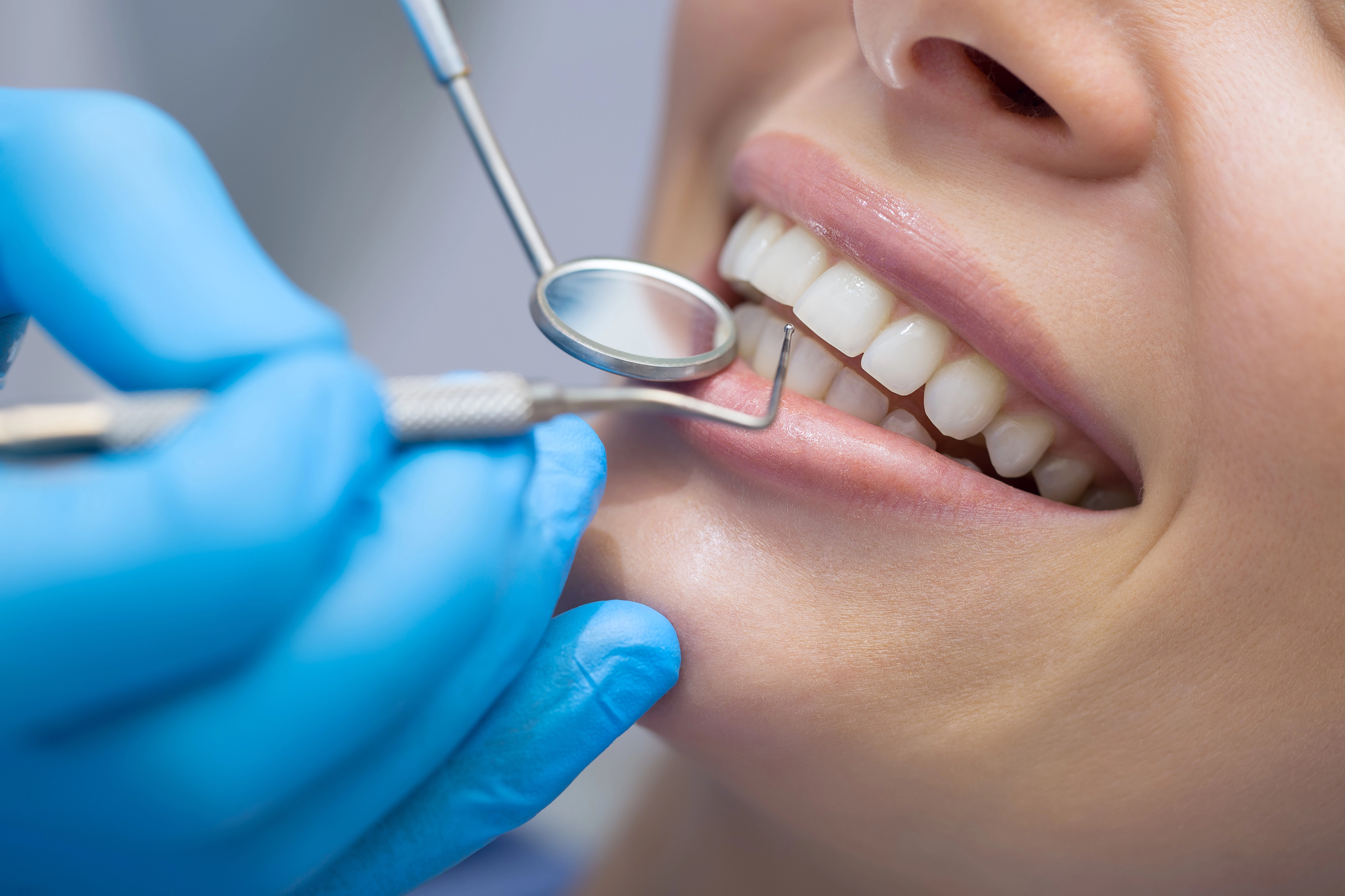
One of the most common things we hear from new patients is “It never hurt until this week.” Unfortunately, many dental problems develop quietly long before they become painful. That’s why regular checkups matter. They give us the opportunity to find small issues before they turn into more complex treatments. At DeLand Family Dental, we recommend checkups every six months for most patients, but your personal schedule might differ based on several factors.
Key Takeaways
- Most dental professionals recommend visiting the dentist every six months, but your ideal schedule depends on your individual health, habits, and risk factors
- Even the most diligent brushing and flossing can’t remove hardened tartar. Professional cleanings handle what home care alone never can
- The American Heart Association confirmed in late 2025 that gum disease is linked to increased risk of heart attack, stroke, and other cardiovascular events. Your dental visits are about more than your teeth
- Patients with gum disease, diabetes, pregnancy, or a history of frequent cavities often need visits every three to four months rather than every six months
- Catching a small cavity early costs a fraction of what a root canal and crown would cost if that same problem went untreated
- Tooth pain, bleeding gums, sores that won’t heal, and white or red patches in your mouth are all reasons to call before your next scheduled appointment
- Dr. Barney evaluates each patient individually rather than defaulting to a one-size-fits-all schedule
Why Regular Dental Visits Matter for Your Health
Most people think of dental visits as something they do when something hurts. The truth is, preventive dental care is what keeps things from hurting in the first place. When you come in consistently, small issues such as minor cavities or early gum inflammation are caught and addressed before they become more serious and costly.
Even if you brush and floss faithfully every day, there are places your toothbrush simply can’t reach. Hardened tartar builds up over time and creates an environment where bacteria thrive, leading to cavities and gum disease. Professional cleaning clears all of that out in ways that home care alone never can.
Research has consistently linked poor oral health to serious conditions, including heart disease, stroke, diabetes complications, and respiratory problems. The American Heart Association published a scientific statement in late 2025 confirming that gum disease is associated with increased risk of heart attack, stroke, and other cardiovascular events. Keeping up with your dental visits isn’t just about your teeth. It’s one of the simpler things you can do to protect your overall health.
Standard Dental Visit Frequency: What Experts Recommend
For many adults with healthy teeth and gums, visiting the dentist every six months is the right balance. It gives us enough time to remove hardened tartar, monitor changes, and catch small problems before they become more serious. The American Dental Association supports this guideline for patients with good oral health and low risk for dental disease.
This twice-yearly schedule allows your dentist to track changes in your oral health over time. By comparing your current condition to previous visits, your dentist can identify trends, spot developing issues, and adjust your treatment plan as needed. It also aligns with how most dental insurance plans structure benefits, typically covering two preventive visits per year at 100%.
When You Might Need More Frequent Visits
Not everyone should follow the standard six-month schedule. If you have active gum disease, your dentist may recommend visits every three to four months to closely monitor your periodontal health. We often see patients whose gum health improves significantly once they’re placed on a three or four-month maintenance schedule. Those additional visits make it much easier to keep inflammation under control.
People with diabetes need more frequent dental care because high blood sugar increases the risk for gum disease and slows healing. Pregnant women, smokers, and those with a weakened immune system or a history of frequent cavities also often benefit from more regular monitoring.
At DeLand Family Dental, Dr. Barney evaluates each patient individually and recommends a visit schedule based on their oral health, risk factors, and treatment needs.
Factors That Determine Your Personal Dental Visit Schedule
Several factors shape how often you should actually come in.
Current Oral Health Status
If you have excellent oral health with no cavities, healthy gums, and minimal plaque buildup, the standard six-month schedule typically works well. If you have active gum disease, multiple cavities, or are undergoing extensive dental treatment, you may need to come in every three months or more until your oral health stabilizes. Patients who’ve recently completed treatment for serious dental issues often need more frequent monitoring during the first year to ensure problems don’t recur.
Medical Conditions
Conditions such as diabetes, autoimmune disorders, and treatments that cause dry mouth can all increase your risk for dental problems. When we know about these factors, we can recommend a cleaning schedule that’s better suited to your needs rather than relying on the standard six-month timeline. Some of the most common conditions that affect visit frequency include:
- Diabetes reduces your body’s ability to fight infection, increasing susceptibility to gum disease
- Autoimmune disorders such as lupus or Sjogren’s syndrome can cause dry mouth and increase cavity risk
- Medications that cause dry mouth, radiation therapy to the head or neck, and conditions that weaken the immune system all affect oral health
- Heart disease has a well-documented connection to gum disease, as bacteria from oral infections can affect your cardiovascular system
Keeping your dental team informed about your medical history and any changes in your health helps them provide the most appropriate care.
Lifestyle and Dietary Habits
Your daily habits directly affect how often you should be seen. High-sugar diets and frequent snacking between meals create a constant acidic environment that promotes cavity formation. Tobacco use in any form dramatically increases your risk for gum disease, tooth loss, and oral cancer. Heavy alcohol consumption can lead to dry mouth and raise the risk of oral cancer. If you grind your teeth at night, play contact sports, or have habits such as nail-biting or chewing ice, more frequent monitoring helps catch and address damage early.
What Happens During a Routine Dental Visit?
A typical dental checkup has two main parts: a professional cleaning by a dental hygienist and a comprehensive examination by the dentist. The entire visit usually takes 45 minutes to an hour.
Your hygienist carefully removes plaque and tartar from your teeth, especially around the gumline and between teeth where your toothbrush can’t reach. After removing deposits, they polish your teeth to remove surface stains and create a smooth surface that resists plaque buildup. Many hygienists apply fluoride treatment to strengthen enamel and provide additional cavity protection.
After your cleaning, the dentist examines your teeth, gums, tongue, and other oral tissues for signs of decay, inflammation, or anything unusual. This examination also includes checking your bite alignment and jaw joints. Digital imaging gives us a much clearer picture of your oral health than was possible years ago. It helps us identify changes earlier and explain exactly what we’re seeing, so you can make informed decisions about your care.
To understand how all of these steps fit into your long-term oral health, the preventive dental care guide breaks down what to expect and why each part of the process matters.
Signs You Need to See Your Dentist Sooner Than Scheduled
Regular checkups are essential, but certain symptoms require attention between visits. Never wait for your next routine appointment if you notice any of the following.
Pain and Sensitivity
Persistent tooth pain is never normal. Sharp, stabbing pain when you bite down may signal a cracked tooth, a loose filling, or an abscess. Lingering sensitivity to hot or cold that lasts more than a few seconds often indicates decay or exposed tooth roots. Throbbing pain that wakes you at night usually means infection has reached the tooth’s nerve. Over-the-counter pain relievers can offer temporary comfort, but they don’t address the underlying problem, which will almost always worsen without treatment.
Gum Health Concerns
Healthy gums should be firm, pink, and shouldn’t bleed during brushing or flossing. Red, swollen, or bleeding gums, persistent bad breath that doesn’t improve with brushing and mouthwash, or gums that appear to be pulling away from your teeth may all indicate gum disease requiring immediate care. Pus between your teeth and gums, loose teeth, or changes in how your bite feels all signal serious problems. Gum disease can progress quickly. Early intervention can often reverse it, but waiting turns a manageable situation into a much harder one.
Visible Changes in Your Mouth
Any unusual changes in your mouth warrant prompt evaluation. White or red patches on your gums, tongue, or cheeks may indicate oral cancer or precancerous conditions. Sores that don’t heal within two weeks need professional assessment. If you notice a tooth that suddenly looks longer because the gum has receded, a crown or filling that feels loose, or any chips or cracks in your teeth, schedule an appointment right away. These changes rarely improve on their own.
If you’re dealing with a dental emergency, don’t wait for a scheduled appointment. Call our office, and we’ll get you in the same day whenever possible.
Benefits of Maintaining Regular Dental Appointments
Consistent dental care pays off in ways that go well beyond a clean smile. Here’s what you stand to gain:
-
- Early detection saves you money and discomfort. A small filling to treat a minor cavity costs a fraction of what a root canal and crown would cost if that same cavity went untreated. When gum disease is caught early, a professional cleaning and improved home care can often reverse it entirely.
- Your overall health depends on it. Bacteria from gum disease can enter your bloodstream and contribute to heart disease, raising your risk for heart attacks and strokes. People with diabetes and gum disease often struggle to control blood sugar levels, creating a cycle where each condition worsens the other. Pregnant women with gum disease face higher risks for premature birth and low birth weight.
- Keeping your natural teeth matters more than most people realize until they start losing them. Healthy teeth and gums let you eat what you want, speak clearly, and feel comfortable in social and professional situations. Regular care is how you protect that over time.
What DeLand Patients Are Saying


Wonderful, friendly and very accommodating. I drove 2hours and 30 minutes for my appointment and will do it again. My husband and I both had appointments today. I gave up my appointment so the dentist could work on my husband's 2 teeth that needed fixed. We were they for other reason and we were unaware he had a problem. He was able to save a crown. Thank you . July 8th out standing everyone is nice and I love his work. Worth the drive.

Such a great dentist office. Even with a complication with my procedure, the Doc and staff remained professional and friendly.

How to Maintain Oral Health Between Visits
Your daily habits matter just as much as professional care. Here’s what to stay on top of between appointments:
-
- Brush twice daily for two minutes using a soft-bristle toothbrush and fluoride toothpaste
- Floss once daily to remove plaque and food from between teeth
- Limit sugary snacks and drinks, and choose water over acidic beverages
- If something feels off, call us rather than waiting for your next scheduled appointment
Making the Most of Your Dental Visits
A few minutes of preparation can make your appointment much more productive. If you’ve noticed sensitivity, bleeding gums, changes in your bite, or have questions about treatment you’ve been putting off, write them down beforehand so nothing gets overlooked during your visit. Don’t hesitate to ask your dentist to explain anything you don’t fully understand. Our team wants you to leave feeling informed, not confused.
When treatment is recommended, schedule it promptly. Waiting rarely makes dental problems better and almost always makes them worse. If cost is a concern, talk to our team rather than postponing care. We’d much rather find a solution with you than see a manageable problem become a major one.
It’s not unusual for patients to tell us they almost canceled because they weren’t having any discomfort. Ironically, those routine visits are often when we find small problems that are quick and straightforward to treat.
Frequently Asked Questions
How often should healthy adults visit the dentist?
Every six months is the standard recommendation. Some adults with excellent oral health may extend to once per year, but that decision should be made with your dentist based on your individual situation.
Do children need to see the dentist more frequently than adults?
Children typically follow the same six-month schedule. Their first visit should happen by their first birthday or when their first tooth appears. Kids at high risk for cavities or those in orthodontic treatment may need more frequent visits.
What happens if I skip my regular dental checkup?
Small problems grow into bigger ones. A minor cavity that could have been treated with a simple filling may progress to an infection requiring a root canal. Skipping visits almost always costs more in the long run.
Are dental X-rays necessary at every visit?
No. Most patients with good oral health need bitewing X-rays once per year and a full set every three to five years. New patients or those with active dental issues may need them more frequently.
How can I tell if I need to see the dentist more than twice a year?
Active gum disease, frequent cavities, diabetes, pregnancy, or a weakened immune system are all reasons to visit more often. If your gums bleed regularly or you notice increased sensitivity, talk to your dentist about adjusting your schedule.
Does dental insurance cover routine checkups and cleanings?
Most plans cover two preventive visits per year at 100%, including routine X-rays. Coverage varies, so check with your provider. Our team can also help you understand your benefits before your appointment.
What should I do if I experience dental pain between scheduled visits?
Call us right away. Dental pain typically indicates a problem that will worsen without treatment, and we prioritize getting patients experiencing pain in as quickly as possible, often the same day.
Ready to Schedule Your Next Visit?
Most dental problems are easier to treat than people expect, as long as they’re found early. Regular visits give us the opportunity to spot changes, answer your questions, and help you avoid more complex treatment down the road.
At DeLand Family Dental, our experienced team combines modern technology with genuine care to keep your smile healthy for life. We welcome patients from DeLand, Orange City, Deltona, DeBary, and surrounding West Volusia communities. Whether you’re due for a routine checkup or haven’t visited a dentist in years, we’re here for you. No pressure, no judgment. Schedule your appointment today and experience the difference that genuinely patient-focused care makes.